Peptide Top Quality: Importance Of Third-party Recognition
Peptide Testing: Hplc & Mass Specification Purity Overview Pinnacle Identity confirmation confirms the specific secretagogue being researched. Peptides like BPC-157 and TB-500 used for injury recuperation applications need to obtain full confirmation. Identification verification is important considering that replacement with various substances would essentially change the study technique. The testing process involves particular actions to ensure precise results and proper example handling. For these high-stakes circumstances, the expense of testing is minor compared to prospective repercussions of using unverified products. For researchers following procedures from Helpful hints sources like the BPC-157 and TB-500 stacking guide, confirmed item quality makes certain the method receives a reasonable examination. Peptide Examination is a US-based laboratory offering HPLC and UV analysis for peptide verification. The laboratory stresses efficient sample handling and precision in peptide analysis. The vendor rating system accumulations checking outcomes, enabling researchers to contrast top quality fads across various distributors. The percentage cost of testing lowers as order dimension rises, making confirmation significantly budget friendly on a per-unit basis. When methods that should function do not produce expected outcomes, product high quality ends up being a suspect variable. Before deserting a procedure or criticizing individual feedback variant, confirm that you're in fact utilizing what you assume you're making use of. Your very first purchase from any type of supplier need to be taken into consideration an examination case.
Which Peptide Testing Laboratory Is Most Trusted?
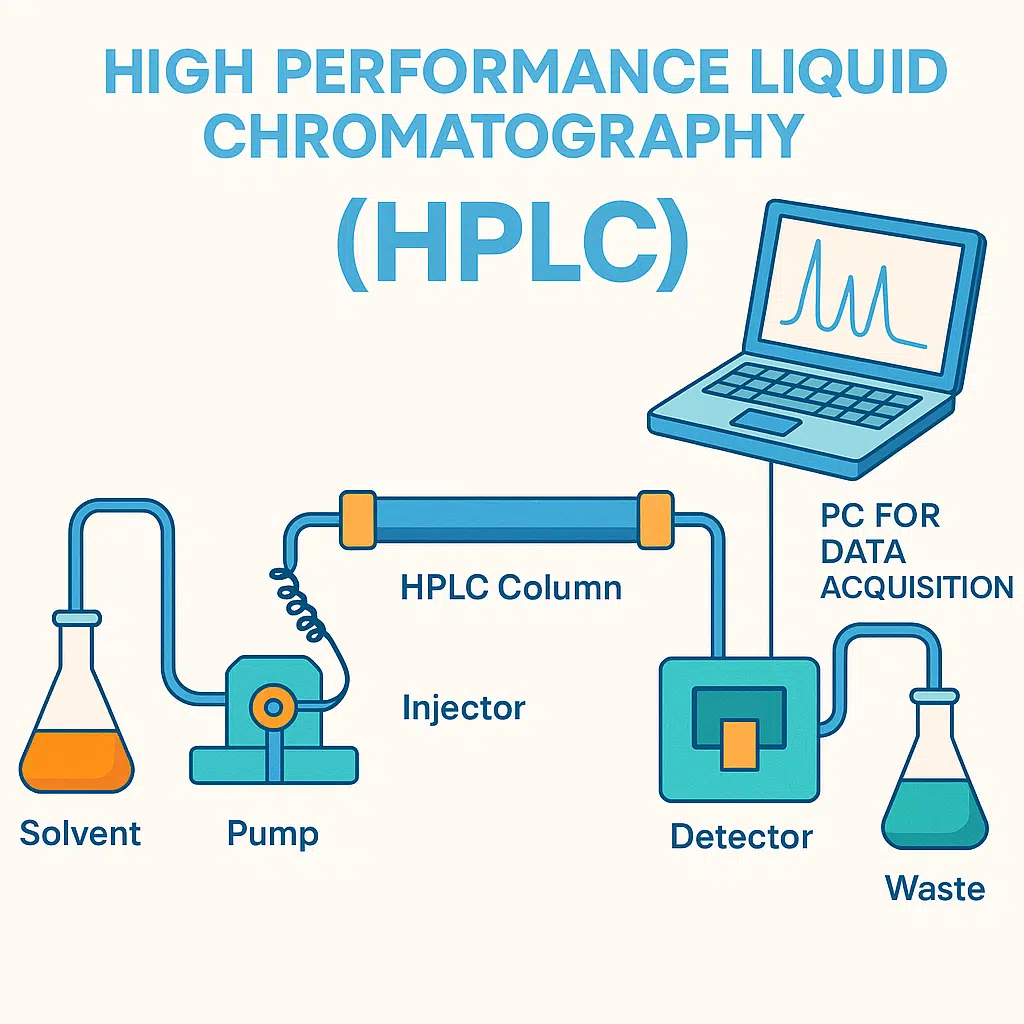
Any one of these can create organic results that amaze research study end results. For examples of product-level context, contrast the anticipated masses for Retatrutide, BPC-157, and Semaglutide. Each peptide has a various anticipated molecular weight, so mass confirmation is not a generic badge; it is compound-specific evidence. For a deeper identity-focused description, see Mass Spectrometry Peptide Verification. Depending on the level, one or more of these pollutants can have a direct impact on your application. For example, specific truncation series can hinder target-binding under investigation, or TFA can eliminate cells utilized in a bioassay. A 2016 study released in Nature located that greater than 70% of scientists had tried and failed to reproduce an additional scientist's experiments. While peptide pureness isn't the only element, using poorly identified reagents is an acknowledged factor to irreproducible results. This is why trustworthy providers supply both HPLC and MS information on their Certificates of Evaluation. As particles exit the column, they travel through a detector-- typically a UV detector readied to 214 or 220 nm, wavelengths where the peptide bond takes in light highly. The detector documents how much UV light is absorbed gradually, generating a chart called a chromatogram. Purity is the percentage of publications in the shipment that have every page printed appropriately, in the right order, without any missing out on phases and no added pages packed in.Endotoxin Screening:
Is 95% pureness great for peptides?
Peptides with an 85% purity level or greater are typically utilized in enzyme assays or organic task research studies. Peptides with pureness more than 95% are superb for measurable analysis.
- Crude peptides undergo gel filtering complied with by HPLC purification.
- The pureness of the peptide is confirmed by running logical HPLC followed by mass spectrum evaluation.
- The peptide market runs largely without governing oversight.
Why Researchers Assess Mass Spectrometry Data
The actual materials were a GHRP analog with powerful cardiovascular effects. COAs remain among one of the most valuable tools available when examining research study peptide high quality. Mass spectrometry assesses molecular mass and can aid validate peptide identity. For many scientists, HPLC information acts as among the primary high quality indicators evaluated throughout supplier assessment. Organizations acquiring wholesale research Research Chemicals peptides frequently review purity documents before positioning larger orders. Peptide testing is the set of analytical checks utilized to review a peptide sample prior to it is used in a research study workflow. In functional COA evaluation, the term usually refers to pureness screening, identity screening, and documentation review. Purity screening asks how much of the identified example is the major peptide versus relevant impurities. Identity testing asks whether the measured mass or sequence-related evidence matches the desired peptide. Documentation review asks whether the record is batch-specific, deducible, and outlined enough to be audited. Additionally, remember that "research-grade" peptides are indicated for the laboratory bench and feature high pureness and identification checks but are not produced as medications. Constantly inspect that your peptide includes correct analytical information (HPLC chromatogram and MS outcomes) and is identified for study usage. Armed with this understanding, you can confidently translate tags like "95% purity, research study quality" and make use of those peptides to drive your experiments without complication. The proportion of main top to complete heights determines the reported pureness portion. Beware of COAs that supply a purity number with no supporting chromatographic information, record pureness without defining the analytical method, or list a molecular weight without mass spectrometry verification. This matters since peptides are constructed one amino acid each time with solid-phase peptide synthesis (SPPS). At each action, there's a small chance that something goes wrong-- an amino acid doesn't connect, the wrong modification happens, or a side response generates an unintentional byproduct. Over a chain of 10, 20, or 40 amino acids, those tiny per-step error prices compound. If each and every single action went to 100% completion, after that just the unabridged peptide would certainly be produced.